

My big family vacation recently completed was a 12-day journey to the once and future great state of California. There is much to admire there, some to savor, and a little to despair. The Golden State offers a glimpse of hope for how good life can be including how much better it could be if only allowed.
Overall, it was a fantastic trip. Another great family vacation.
The itinerary was 4 nights in Venice Beach, one night in Sequoia National Park, three nights in Yosemite National Park, one night in Monterey, one night in Cambria, and one night in Ventura Beach. It was a big loop driving over 1,200 miles allowing us to take in the vast and varied scenery.
Don’t let the politics and prices detour you. The people and the weather, both pleasant, are what you will remember. There is much ruin in a place naturally endowed and culturally rich.
My two younger kids and even my wife wore out our oldest (adult) child with the comparison “less beautiful than Alaska . . .” since she was not on our vacation last year. Outside of the best vantages in Yosemite in particular and the Pacific Coast Highway in general, I would have to agree. But as a city mouse as well as someone with enough perspective to consider what life must be like year-round, it is hard for me to get past that Alaska is a place to visit while California is (aspirationally) a place to live.
Largely this trip is a recreation of a family vacation I took as a child in 1988 at the age of 13. I’ll try to add some comparisons in as I go along with these notes from the journey.
Los Angeles:
This was just a northern L.A. trip with our base of operations being Venice Beach.
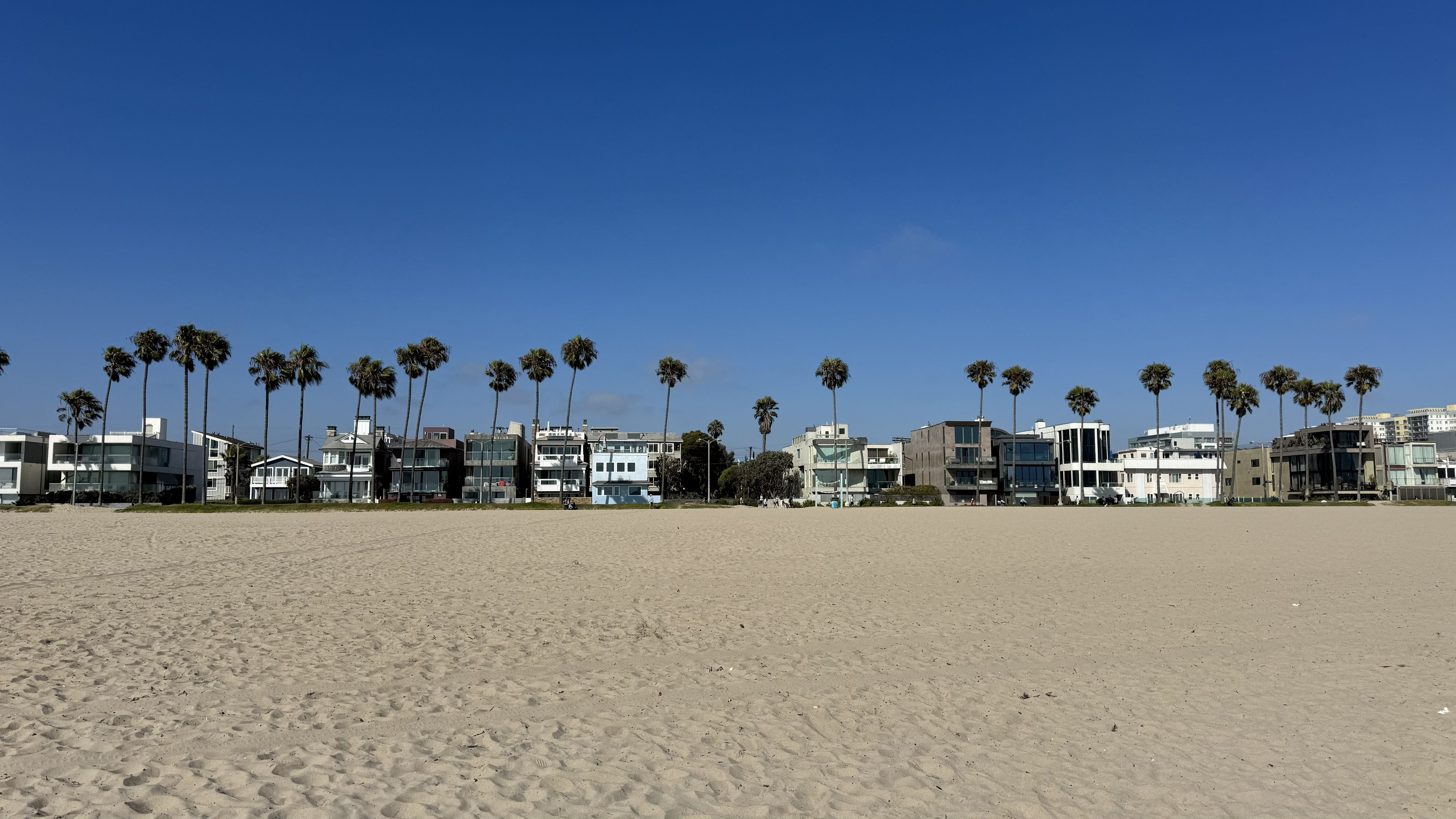
Venice Beach and surrounding area are surprisingly tight even though I knew it to be. Here you get a feel for the (mostly false) reasons Los Angeles is claimed to have density. It is compact, but not particularly dense. And this only applies to the official municipal boundaries. This commentary on population and housing will be a recurring theme in this post.
Our Airbnb condo 1.5 blocks off the beach was quaint, somewhat chic, and perfect for what we wanted. It gave the feel of immediate immersion into the vibe of the L.A. beach scene—both its style and location.
Places like Venice Beach have a lot to offer but ask a lot in return. In addition to the tremendous expense for housing and other cost of living in general, the everyday frictions are pretty biting. Sure there’s lots of cultural amenities within a 50 mile radius, but in terms of difficulty that’s equivalent to several hundred miles away in a place like Texas or Oklahoma. The weather is great, But the weather is doing a lot of work in this equation. And being outside is not as available as it needs to be—there is a lack of space to move and sit freely. The problem is not just other people and the nanny state. It is simply physical space. The limitations don’t just seem artificial. The structure of the city (where it stops and starts again) create this clustering leaving vast expanses uninhabitable.
Venice Boardwalk is a counter-cultural circus, but it is captured by capitalism. Everyone is simply selling something. Still authentic, just ironic as well. Lots of art for sure. Lots of angst too. They are successfully keeping Venice weird. Muscle Beach and the skate park are something between kitsch and historic. It is a spontaneously organized assembly of method actors no less role playing than those nearby at Disneyland whose performances are tightly scripted.
Venice Canals are a must see, and one must see them by walking at a stroll to take it all in. The uniqueness of each residence and small garden is a big part of the charm.
The Getty is a beautiful museum very well run and staffed. The art is perhaps sparse in comparison to the complex that holds it. I say perhaps, though, because much of it is closed for renovations. Still, the parts open are quite rewarding. It is very comfortable and accommodating. It most resembles Crystal Bridges in style and atmosphere. In comparison it has less art and more amenities (to my memory). The design invites a slow, deliberate pace especially the gardens—definitely a feature. Looking out at its great views of L.A., I was wanting for an AI tool to help me know what I was looking at (from far away buildings to nearby celebrity homes in Brentwood). This is where Google Glass or Meta Glasses would be useful. Moving inside I could use these to enhance the art experience—the best version would be interactive, connected to those with me, and responsive to the depth I would want piece by piece.
The window shopping along Abbot Kinney Blvd is also worth the trip. Note not just the wealth on display in the modest, bohemian shops but also the apparent
toleranceembrace of street vendors. Refresh yourself and relieve your wallet of weight at Erewhon grocer.The number of Ferraris in Beverly Hills and surrounding areas was astounding. Obviously seeing cars like this is to be expected, but the sheer number was amazing.
Overall, L.A. is a fabulous place with lots to offer those slightly brave enough to navigate it. Maybe more than the average big metropolis, it requires movement within it and patience with the geography to fully grasp what makes it unique and attractive.
Driving in L.A.:
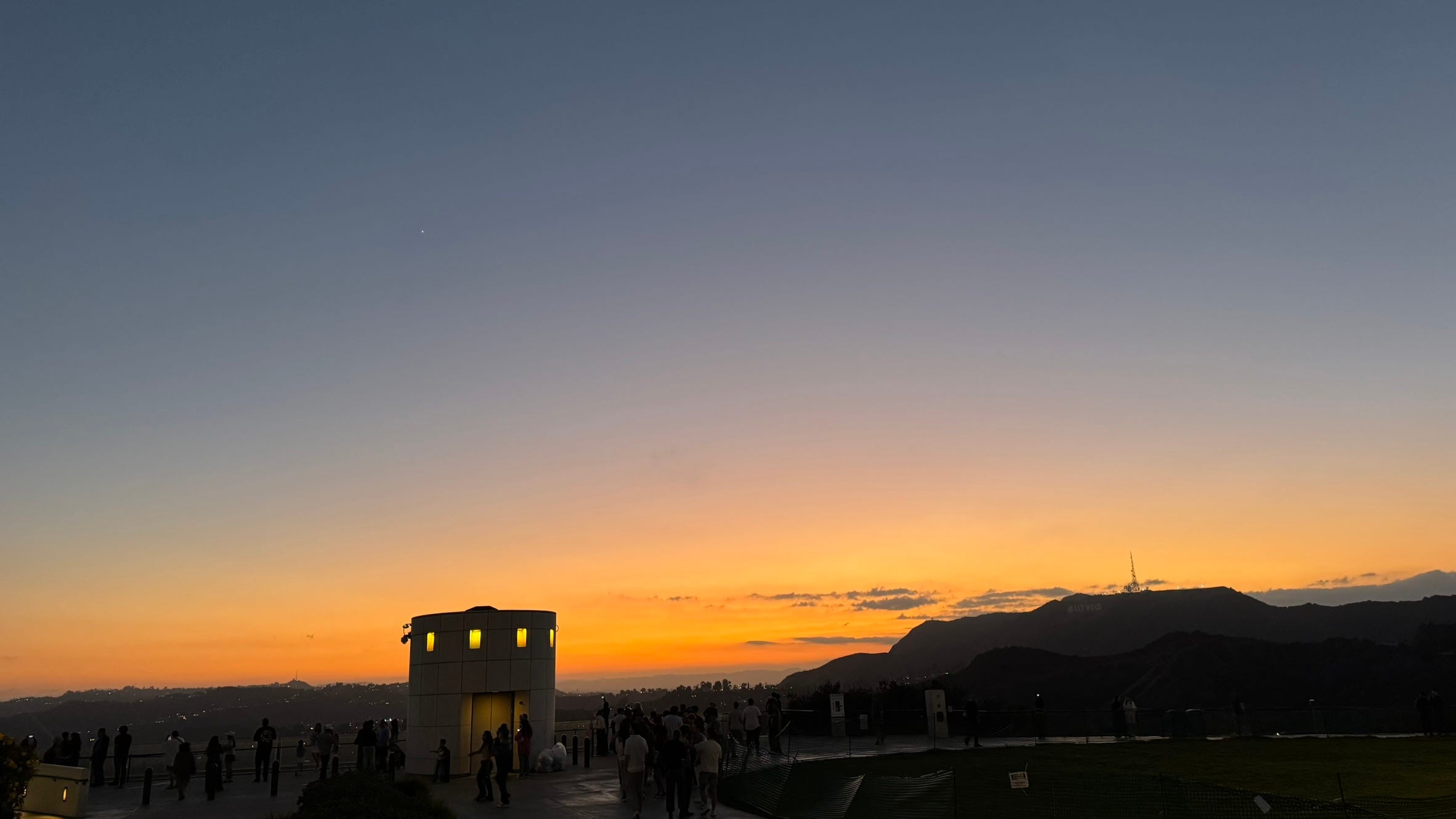
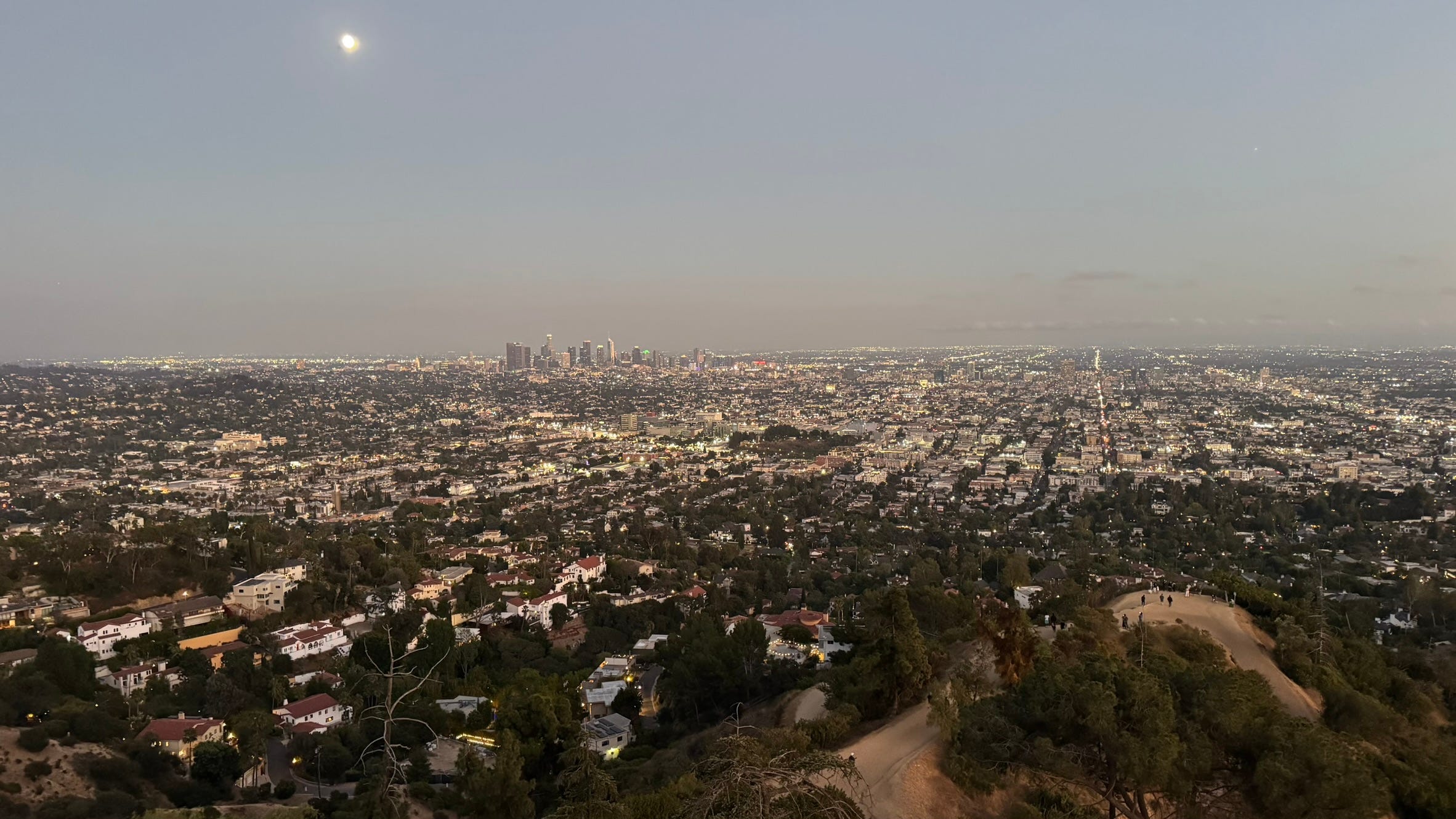
L.A. is the quintessential American car city. Hence, see it by car. Our day driving ~80 miles from Venice to downtown to Beverly Hills through lower Hollywood to Griffith Park via upper Hollywood to Mullholland Drive (targeting nightfall for the last part) gave us the true feel for the landscape. And it put it all into perspective against itself. To know a city is to understand where everything is in relation to everything else.
Versus Dallas traffic, L.A. is not that bad in comparison. Texas drivers are more aggressive and the average Texas speed is higher both on freeways and on city streets. Maybe a higher proportion of tourists account for this as unfamiliarity-breeds-caution-and-hesitation behavior.
California drivers simply obey the speed limit much more than I’m used to—still often faster than the posted number, but the crowd was only within ~5 mph. Straightaways where the limit was 65 would be a de facto 75 in Oklahoma and 80+ Texas.
I remember from my 1988 trip a bit more confusion on the part of my father than I was encountering. This is likely because he was only aided by a street map whereas I had Google Maps on the dashboard, fellow passengers as well using Apple and Google Maps, and my son who knows L.A. better than all that from GTA—not a joke.
Waymo’s everywhere in Venice and they handle the chaotic traffic amazingly. Along those lines . . .
I took my first Waymo ride with the kids in tow. It was at once amazing and at the same time mundane. How’s that for updating on the tech-hedonic escalator? The 20-minute ride through some of the most dense and chaotic traffic you will see anywhere gave me strong confidence in a near future of self-driving cars. It arguably cut a driver off in a way any experienced driver would. We also witnessed several other Waymo’s “sticking it out there” to fit in and actually drive with the flow. If they didn’t look like a Mars rover with all their sensors, people would never know they were autonomous. They just drive like the best drivers on the road. It was also nice to look like a celebrity with all the people (probably fellow tourists) gawking at us. There was one scary moment. At a traffic light we pulled up behind an Uber that had black-yellow caution tape on its bumper. The Waymo initially interpreted this as a construction vehicle it needed to route around, and it pushed the front wheels sharply to the left in preparation. The dashboard screen shows what the Waymo is thinking including the proposed path. In this case it was proposing to find a gap in oncoming traffic to steer around. Fortunately it quickly figured out the situation without incident.
Sequoia National Park:
The Giants have to be experienced to be understood and appreciated. There is just no way to capture it in pictures or words. My memory of their enormity still didn’t do them justice.
Wuksachi Lodge: Deep in the heart of the park, this worked perfect for a night’s stay. I wouldn’t have wanted to be much longer, though. It is well run and comfortable with good food in the restaurant. Perhaps surprising, this government-owned-and-operated facility shows that limitation only in the fact that it looks like stepping back time about 30 years—as if in that time, not 30 years of depreciation.
The curvy roads and steep inclines with truly unforgiving edges (certain death) are the only places drivers in CA were notably poorly behaved. Most of these were probably tourists. This was all the more so in Yosemite. Pulling around blind corners at high speed (where 35 mph is ridiculously too fast), these Darwin Award candidates clearly weren’t doing the cost-benefit analysis correctly. Case in point was the car that slammed into the rock embankment to avoid a minivan (we came up on this right after it had happened so I don’t know the details). Had it been on the other side of the road, the embankment would have instead been a plunge several hundred feet.
Yosemite National Park:
I highly recommend the rental houses in Yosemite West. Ours was perfect, Alpenglow #3 rented on Airbnb. Staying in this private place where the only road in is through the park means you’re already in the park when you’re here. This makes it very convenient as well as bypasses long lines that form at the park gates.
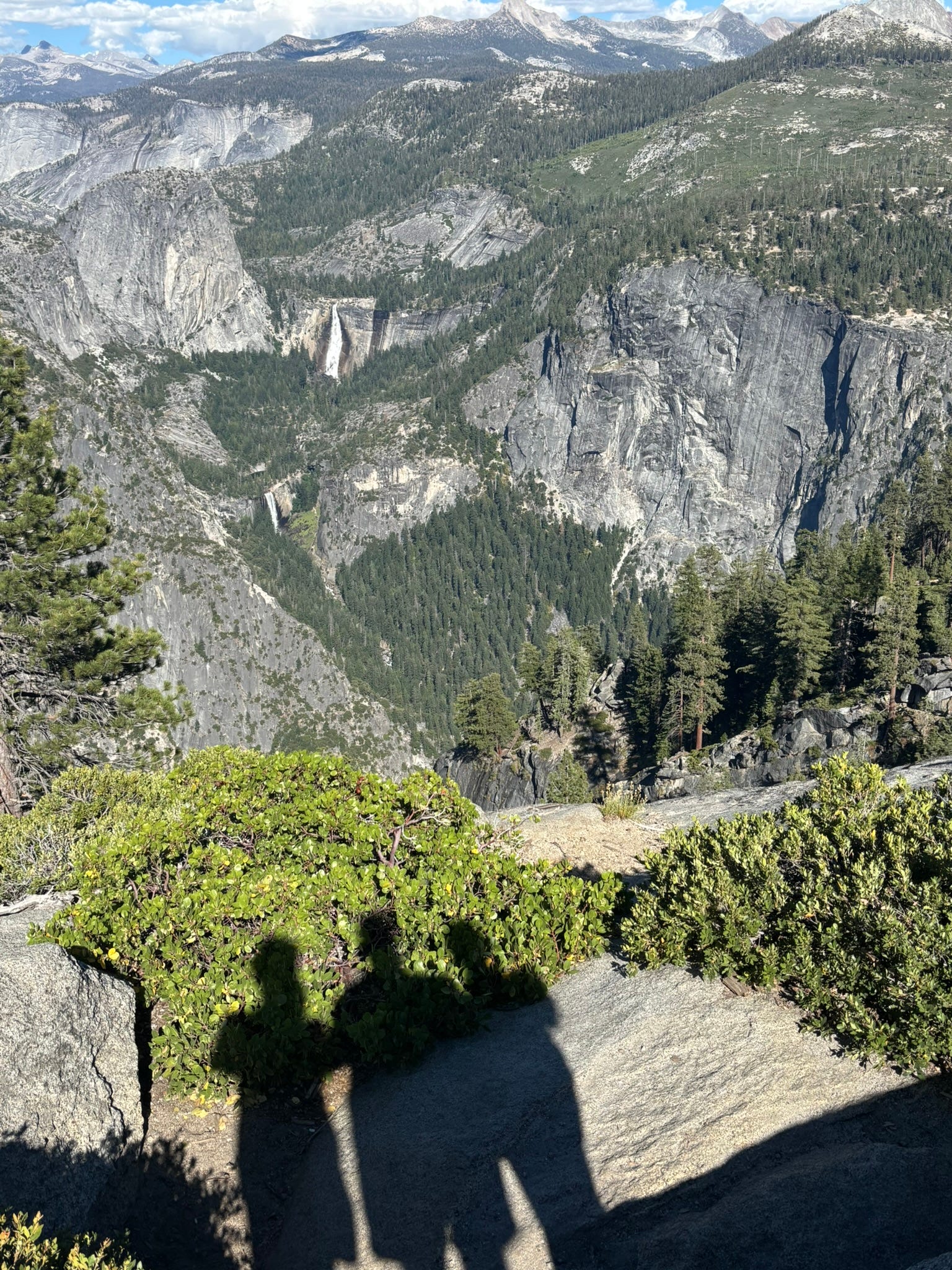
Aside from the obvious in the Yosemite Valley, Glacier Point is a must see, and Hetch Hetchy Valley and the accompanying reservoir is worth the trip.
Despite claims of renewal, the lack of seeing wildlife in both parks was surprising. Aside from squirrels, marmots, and chipmunks along with very few birds, nothing was seen close or afar. True, most of our time was spent throughout the daylight hours. Still, we had morning and evening time that was also absent of animal sightings.
The valley is awe inspiring. To take it in fully requires seeing it from multiple vantage points—high and low, close and far. This is the best national park the U.S. has to offer.
I remembered the climb to the base of Yosemite Falls to be more elongated and less treacherous than it was. To be sure it is not a difficult hike, but just like a dull knife can be more dangerous than a sharp one, it continually invited climbers into a lull. Slipping on these rocks wouldn’t likely kill you, but a bone break or some other injury that ends your national park experience is quite available. And jumping the gap between boulders with ten-foot rapids below looks fine until something isn’t.
National Park Experience:
This wouldn’t be a blog post from me without commentary on how the government is doing running these tourist attractions. Let’s lay aside the religious dogma that requires sanctimonious acceptance of the government owning and running the show to do some high-level thinking.
I’d say the overall job is pretty well done while leaving a lot to be desired. Bastiat’s seen and unseen is key here. One gets a glimpse when comparing where I stayed at Yosemite West, a private development behind (only road in) the park’s entrance. But this is only partial. And one need not look there. Just a comparison between Sequoia and Yosemite hints at differences as Yosemite has better facilities reflecting it being the bigger draw with more charisma. Demand drives funding but this stops short of what a private provider would supply.
For one difference realize that a private provider couldn’t get by with the lack of safety (roads, trails, and, importantly, overlooks) that the government can. The lack of signage much less physical barriers was alarming as I watched kids jump out of cars to catch the views. Ironically it is like Lenore Skenazy runs the national parks, although that is probably unfair to what she would actually do. Assumption of risk (e.g., for hikers) is one thing. Walkways with easy death for a kid who wonders is another.
Entrances and accommodations are substandard. Parking lots including directions are like an inside joke being played by staff on patrons. I found too many “do better” opportunities that were low-hanging fruit for anyone who actually cared to care.
Rangers are generally very helpful and well informed. For every gripey jerk there were ten admirable people on duty. The failure is in leadership and vision. It’s as if the lack of a profit motive is degenerative to the mission... hmmm. So it isn’t with the workers that I find blame.
That former point extends to how poorly maintained facilities and badly run organizations lead to environmental problems. People step through gaps in fences that look like suggestions to touch, trample, and damage the treasures. These are the proverbial death by a thousand cuts. And this is before we even consider how a private organization would never allow the mismanagement and risk that leads to devastating fires destroying trees that grow over centuries in mere moments. Driving for miles through forest graveyards was eerie and disheartening.
Could funding be better? Sure, and it is such a small portion of the budget that even a libertarian minimalist-state hawk like myself wouldn’t bat an eye. But money isn’t the problem. Incentives are.
Pacific Coast Highway:
Monterey and Carmel were warmer than I remembered—no, not global warming or even better luck on weather. I think this is just that I have a better tolerance for temperature deviations as an adult.
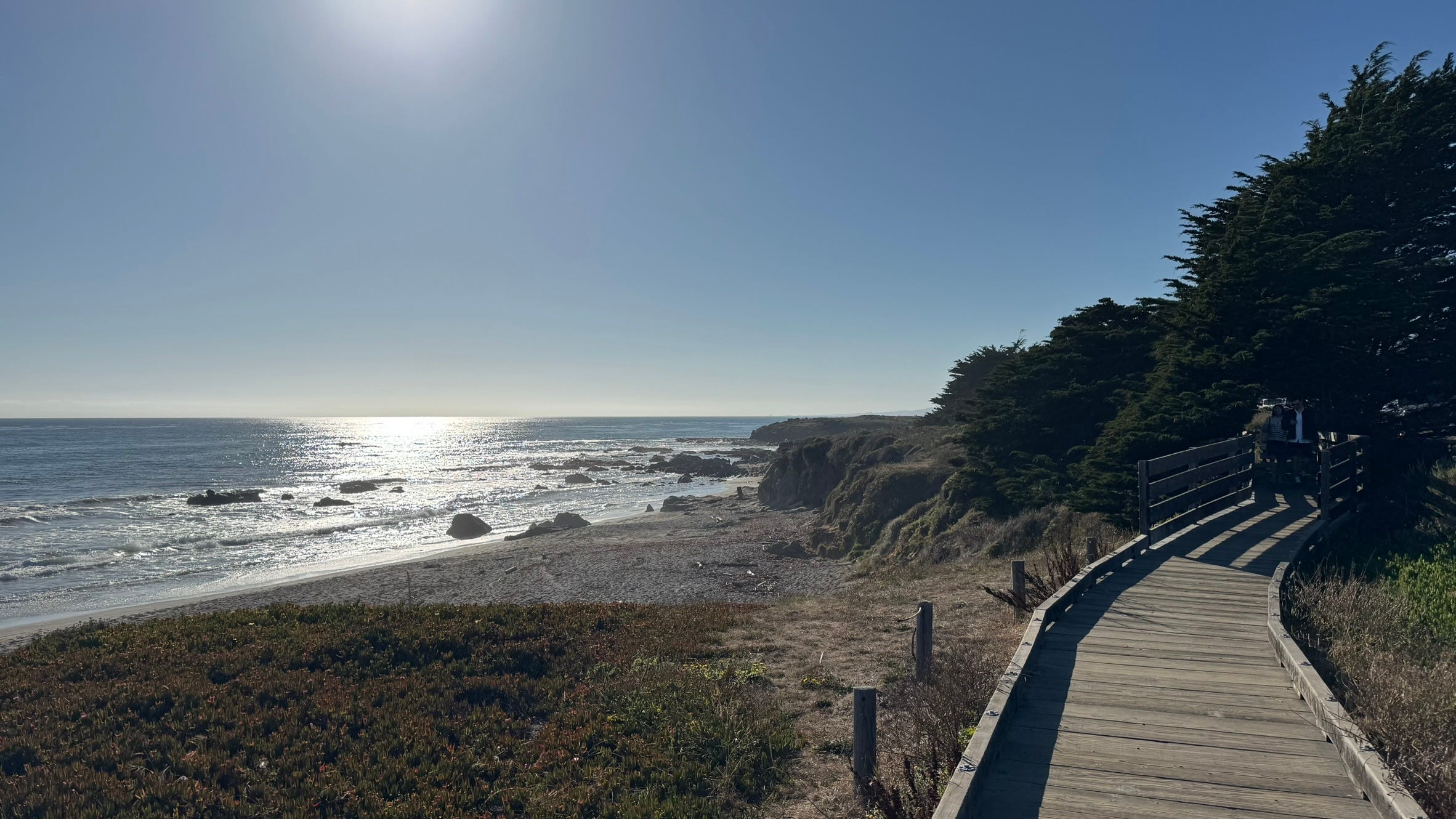
17-Mile Drive: A great starting point for travel down the famed highway 1. Taking it slow to take most of it in is the only way. So many beautiful sights from the natural sea to the fabulous homes (big and small).
Once further down the road, make Nepenthe a destination for a late lunch.
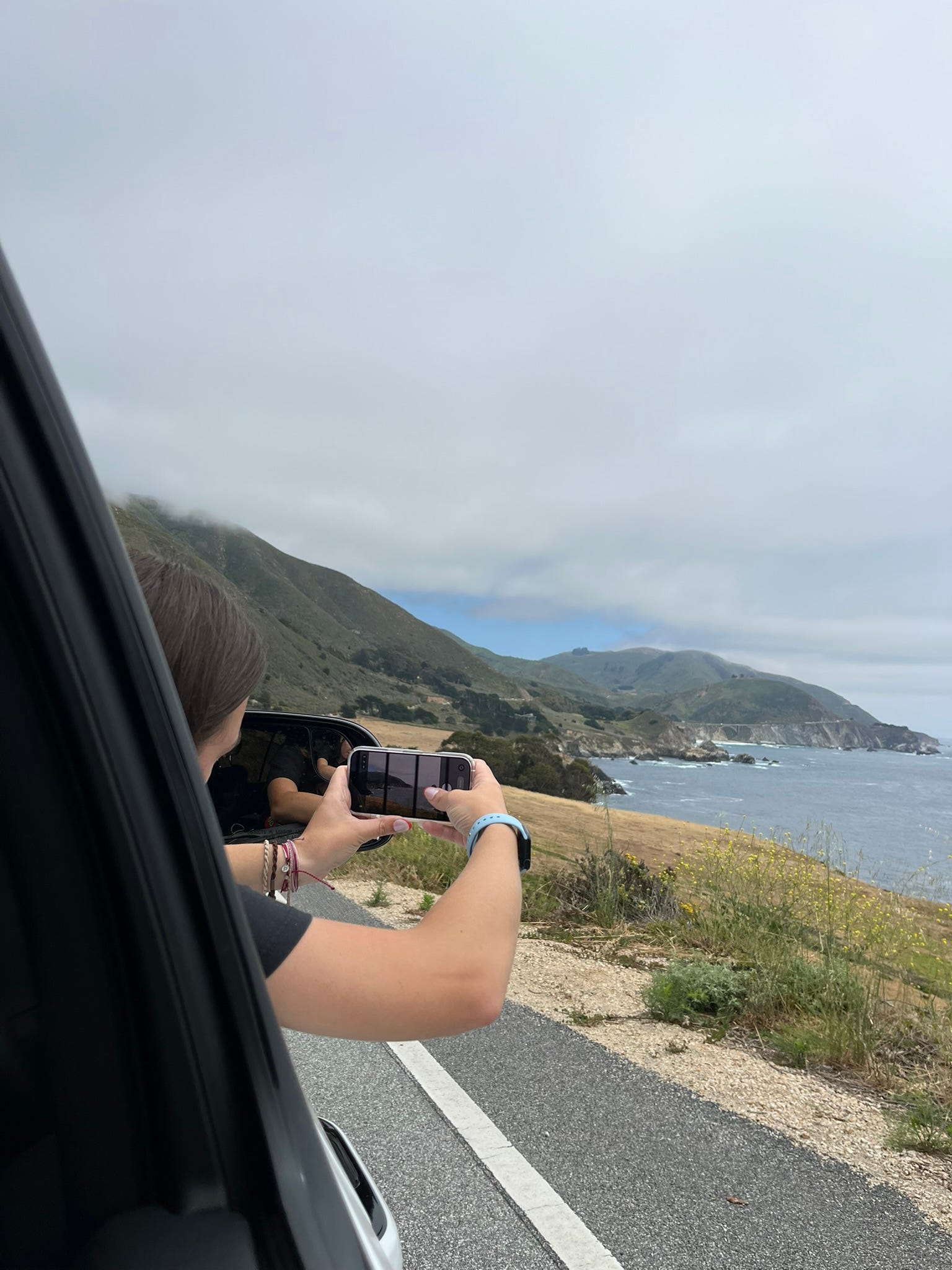
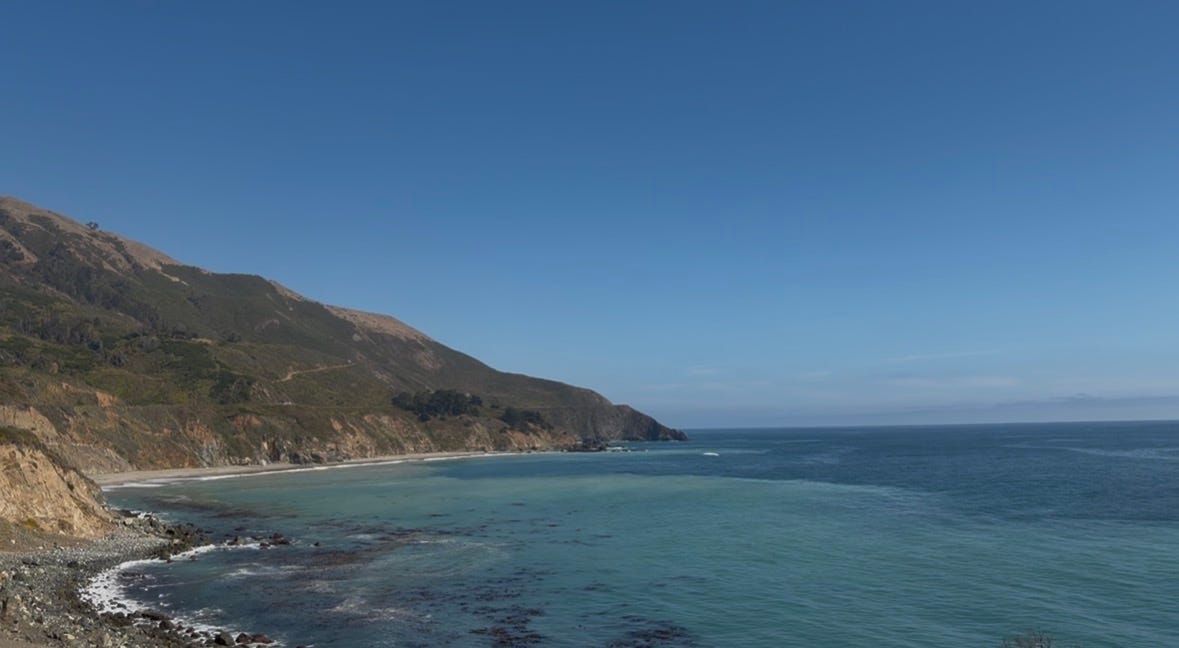
The driving part of this day (Monterey to Cambria) and the next (Cambria to Ventura) visually matches the famed Road to Hana in Maui. The vista stops are better in Maui. The conveniences are better on the PCH.
The landscape is beautiful, but underserved. Imagine Carmel-by-the-Sea extended for 300 miles south. Or perhaps Lower Santa Barbara/Ventura/Malibu extended north 300 miles and up the hills. It’s actually easy if you try . . .
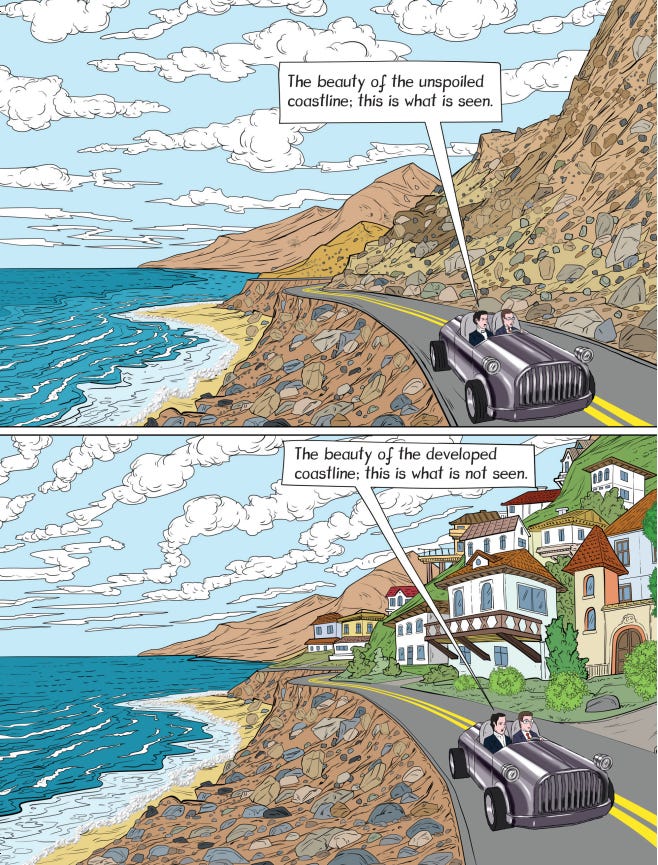
See signs of a failed state section below for more.
We hit 1,000 California miles just before San Simeon headed south. This stat both was and was not surprising. It seemed like we had gone a long way, but it went easily and joyfully. So it didn’t seem like a slog. Only about 10% of those miles were on straight roads and somewhat level ground. Not sure if that made it go by faster, but it definitely kept it from being boring. Still, you lose something in long drives where you cannot set the cruise control, relax, and allow your mind to wonder like, say, on I-40 from Oklahoma City to New Mexico.
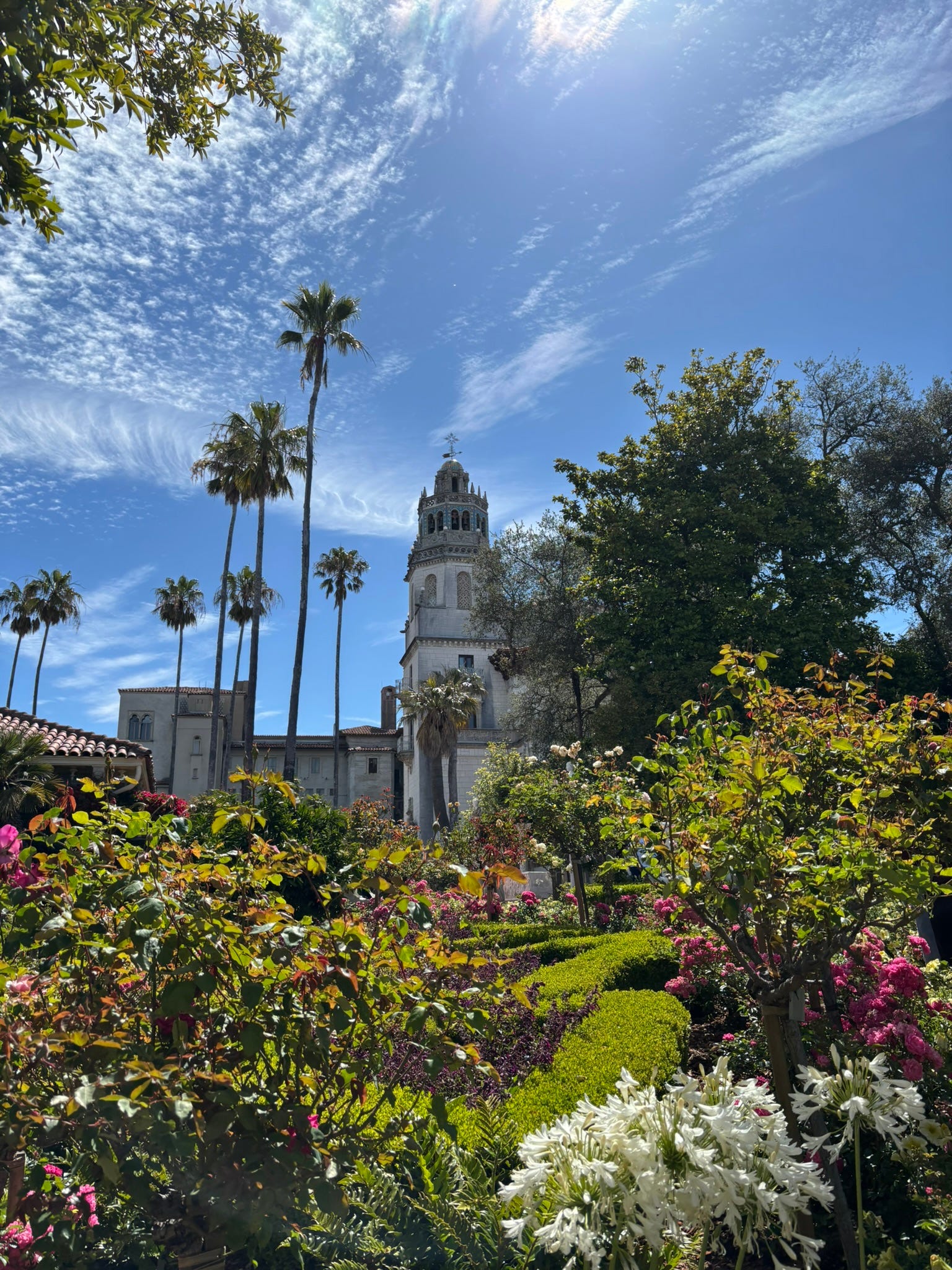
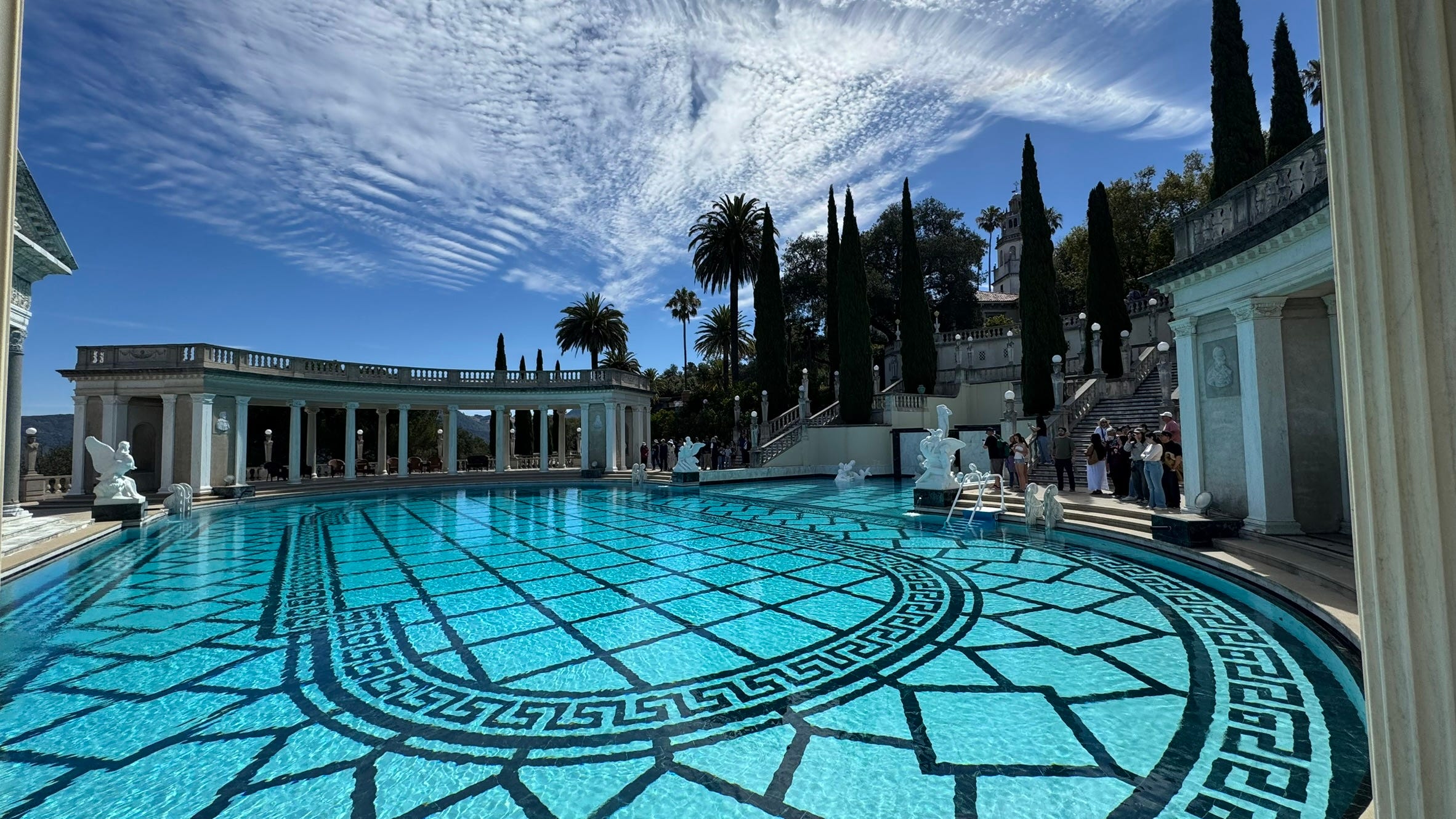
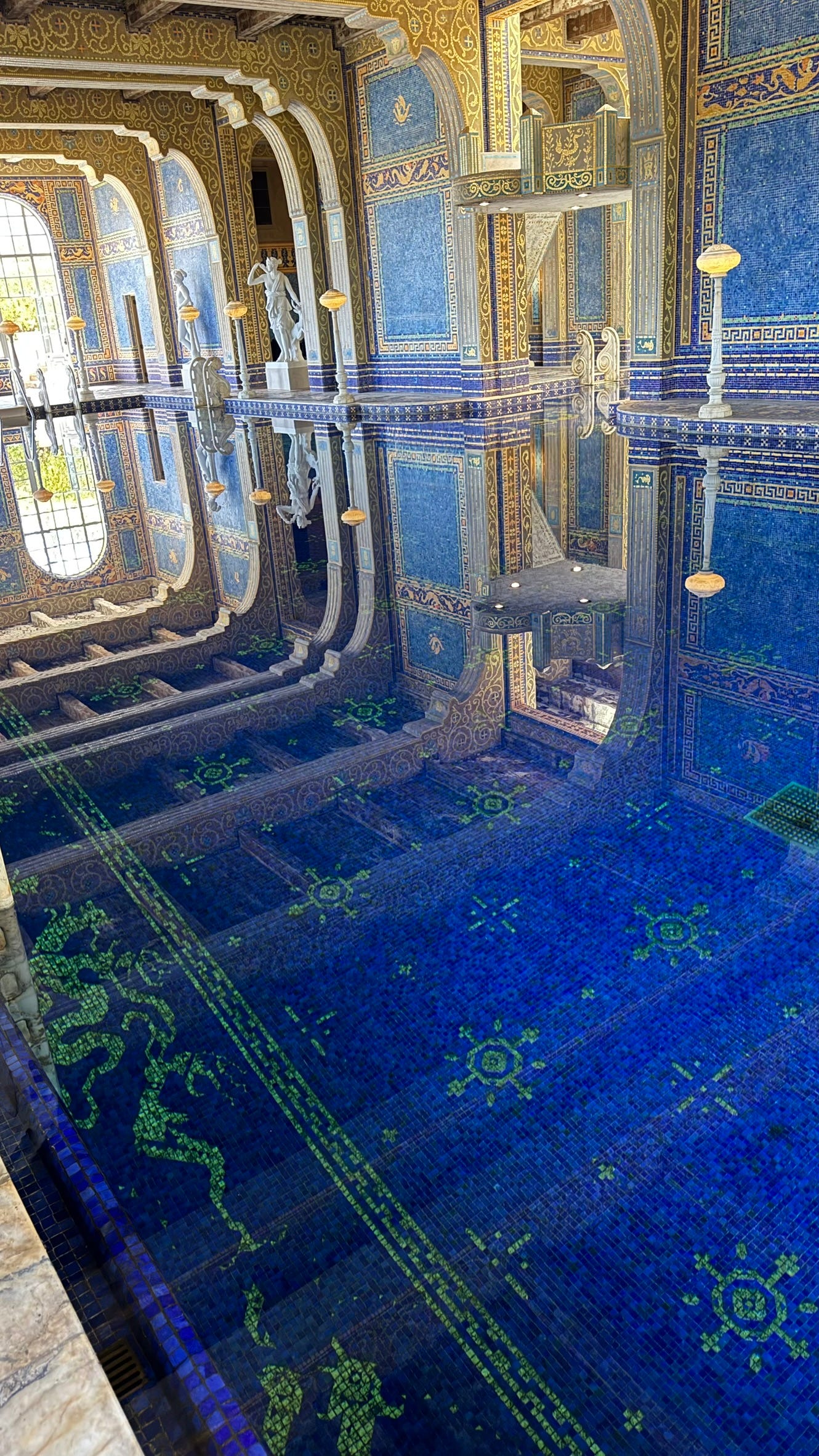
Hearst Castle: Lots of glamour but much of it glossing over if not completely ignoring who William Randolph Hearst was—a bit of revisionist history. No mention of Yellow Journalism nor his anti-Asian beliefs and propagandizing. The tour didn’t mention any controversy regarding the personal zoo including the on-going issues with the wild Zebras that escaped captivity decades ago. Back to the castle, I have a very different perspective today than I did then. At the time a trip to Hearst Castle inspired my imagination driving me to dream for years of having my own magnificent estate. Today there is no similar aspiration or desire really. Perhaps some of that is just the reality that these things are out of reach. But I think it is mainly a change in my values—an improvement with age and wisdom.
Cambria was a great stop. The quaint motels along Highway 1 are inviting. This could/should have been a multiday destination.
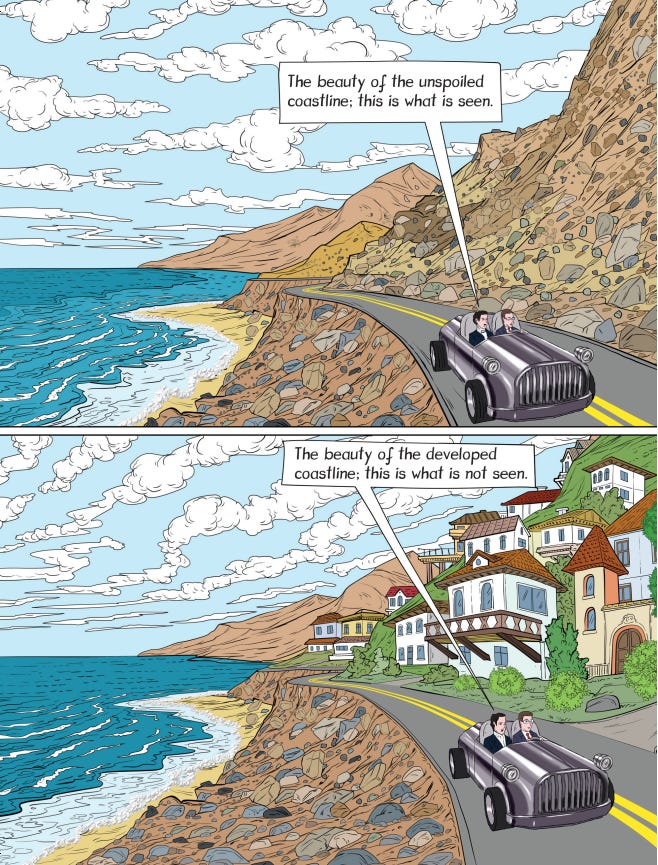
The signs of a failed state:
The lack of housing development on the hills is stunning, again, despite being something I very well knew to be the case. The vast open areas along the coast is a failure. Inland it isn’t much better especially considering the land used for subsidized farming, but the underused coastline is the clearest mistake. One can rationalize it saying it preserves the natural scenery, but that is just a weak cope. It is worse than arbitrary. Not only is it sticking one’s finger along the course of history and saying “it stops here”, it is a deep punishment for all those who would enjoy the alternative. The fact that it requires coercion to prevent the alternative tells us what the highest and best use really is.
Vagrancy, homelessness, and panhandling in L.A. was about as expected and not too different from home in Norman or OKC. If anything it was less than what I see at home. And outside L.A. it was basically nonexistent to my eyes. Consider this evidence against the failed state hypothesis. Or perhaps the clean-up (sweeping under the rug) for the sake of the World Cup is to be credited—certainly not a sign of long-term solution if that is the case.
Oil derricks outside of Bakersfield were a trip to the past. Living my entire life in oil country, I haven’t seen this ancient version of the technology in decades. Maybe I was missing something, but given that they were pumping, I didn’t think I was. And of course not . . . as Gemini explains, California regulations make the type of drilling seen in the modern world uneconomical when not prohibited explicitly. They need the Landman, haha.
Anecdotally real estate prices have fallen for the very expensive places in Carmel, et al. Checking Zillow for sale price history showed this again and again. If indicative of a trend, this tells one a lot about the state of the economy for the wealthy in CA. Maybe a billionaire tax and the attitude behind it isn’t such a great idea.
CA could easily double in population without breaking anything. If allowed to build, they would come. The weather is a big factor supporting this contention as is the unrivaled natural beauty that is less economically rivalrous than California policymakers seem to assume. The state possesses large swaths of vast emptiness. And cities are not nearly as vertical as they could be. That its population is declining tells you something is very wrong with its governance. Natural areas and wilderness need not be sacrificed. Agriculture would be displaced some, but homes in the desert make more sense than crops.
Miscellaneous:
People in CA proved pleasant in nearly all encounters. Perhaps good weather makes this coastal population more midwestern in demeanor.
California does not seem young—neither people nor attitude. This is very much in contrast to the California of my youth and the historical image. Sure, there are young, attractive people, but their proportions seem small. And they are outnumbered by boomers. Again, this is in numbers as well as the image projected.
The Airbnb, et al. versus hotel tradeoff: Even after you shop thoroughly and selectively to find the highest quality rental, you are always on one side of a quality-quantity tradeoff. Specifically, you are choosing a bigger or amenity-filled space or something along these lines versus the quality and dependability of a hotel chain. To be sure many hotel chains have low-quality features. But apples-to-apples your hotel choice will have better quality than the rental. Rentals are always just a little bit broken—incomplete kitchen equipment, a bad lamp, a door that doesn’t close properly, an air mattress that slowly deflates, etc. There is something to be said for (comfortable) space and a sense of independence. But so too is there something to be said for housekeeping, dependable amenities (or a staff on call to correct), and services inside the accommodation. Choose wisely based on the expectations you desire to meet.
Rental car: Jeep Grand Waggoner. Spacious and very comfortable. Easy to drive even in tight conditions despite the size. Dash electronics not perfect but fairly intuitive—not as good as a Honda, much better than others. Hazard warning beeps seemed random and hard to discern what was being conveyed. Lack of lane keep assist is a bug. Good in the mountains as well as the city.1 Overall, I recommend.
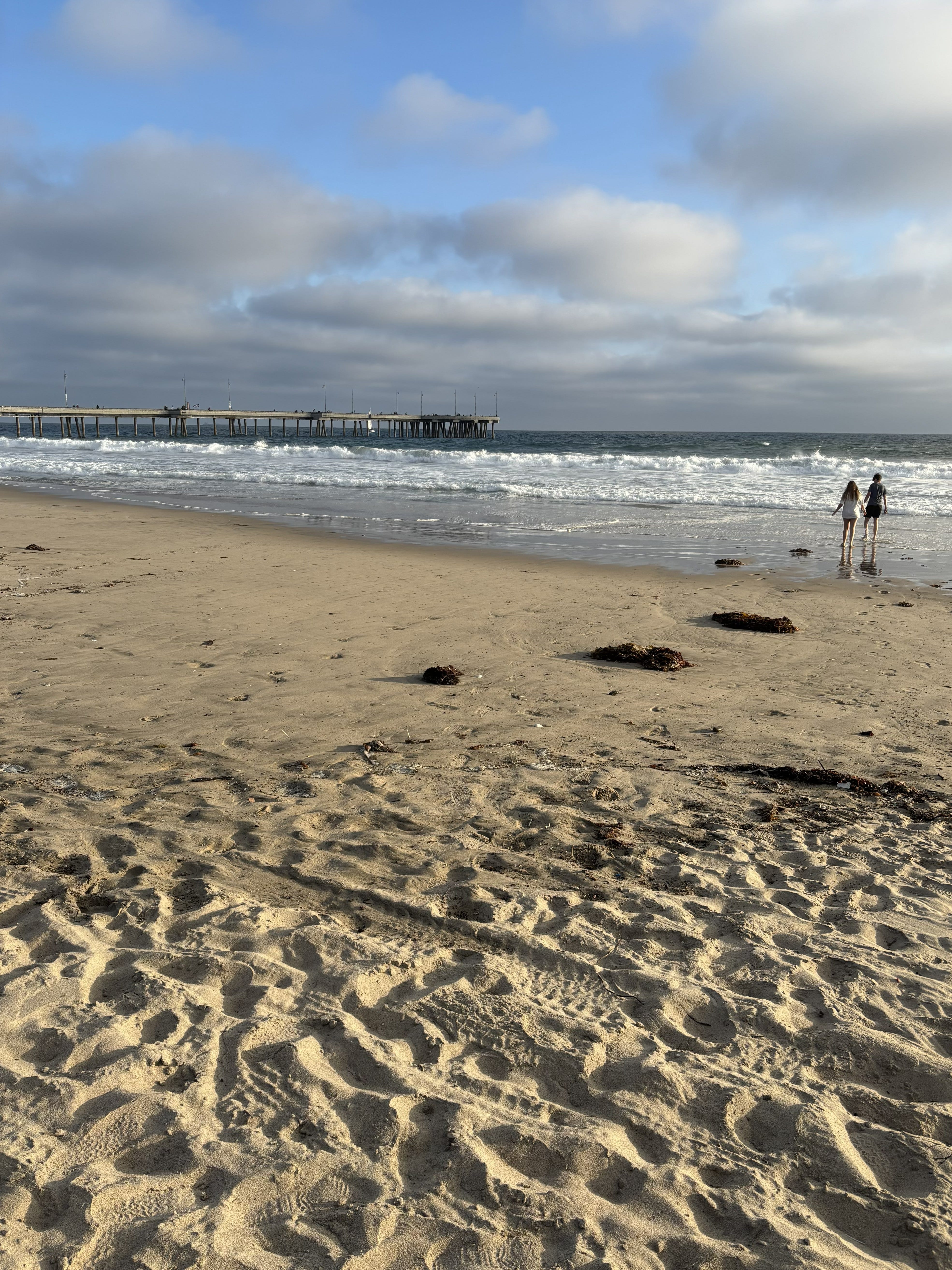
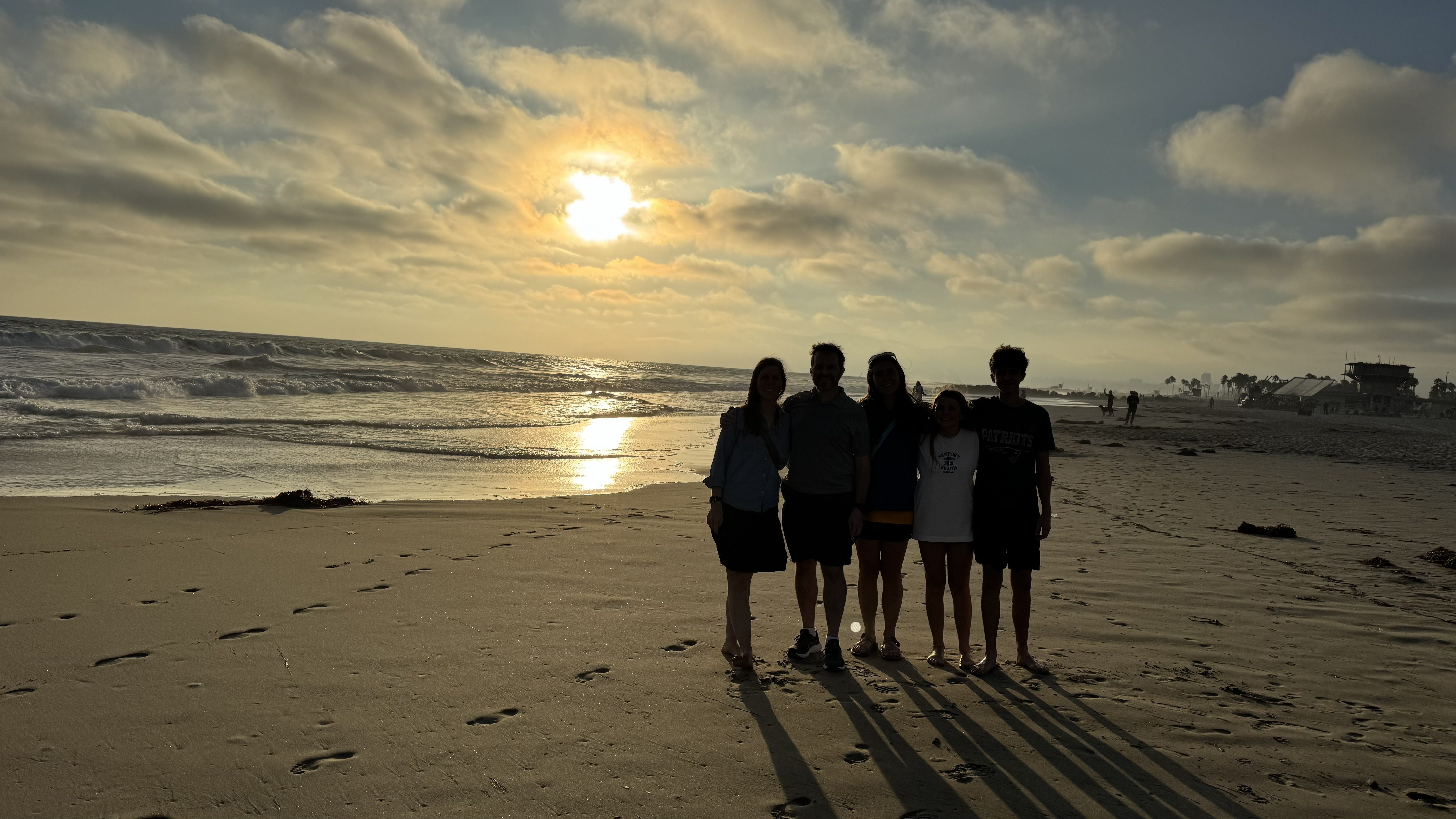
Some pictures:
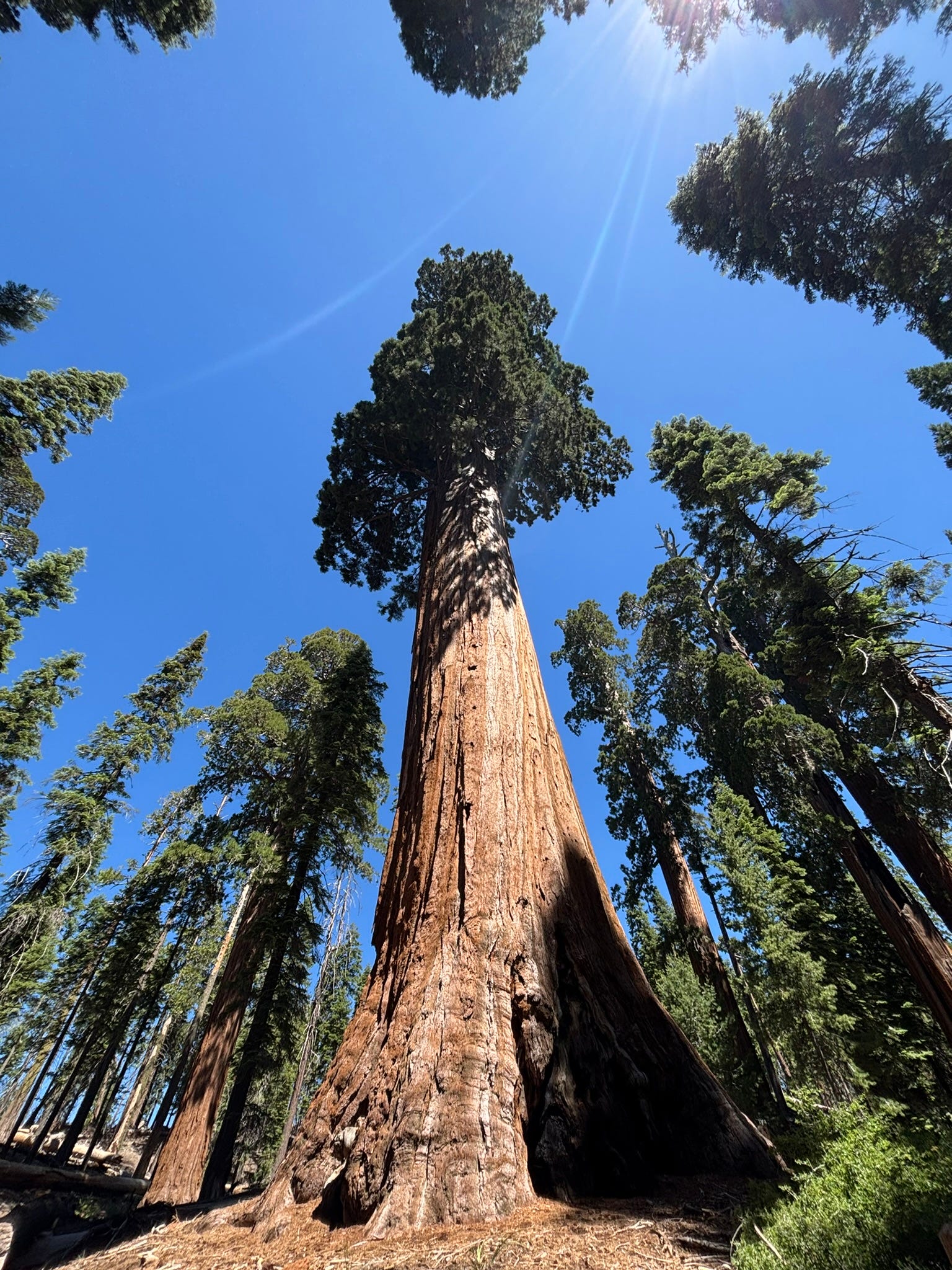
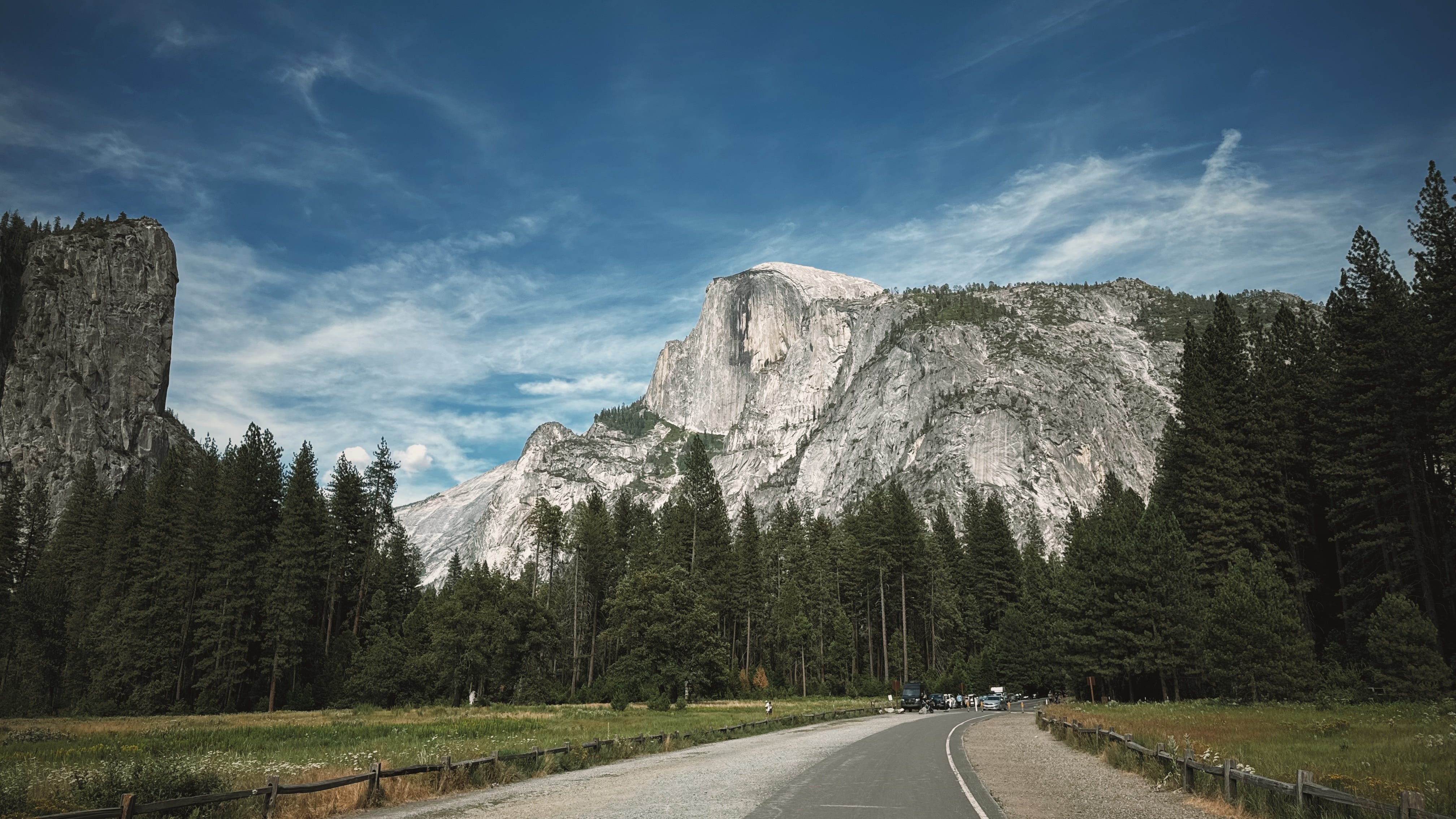
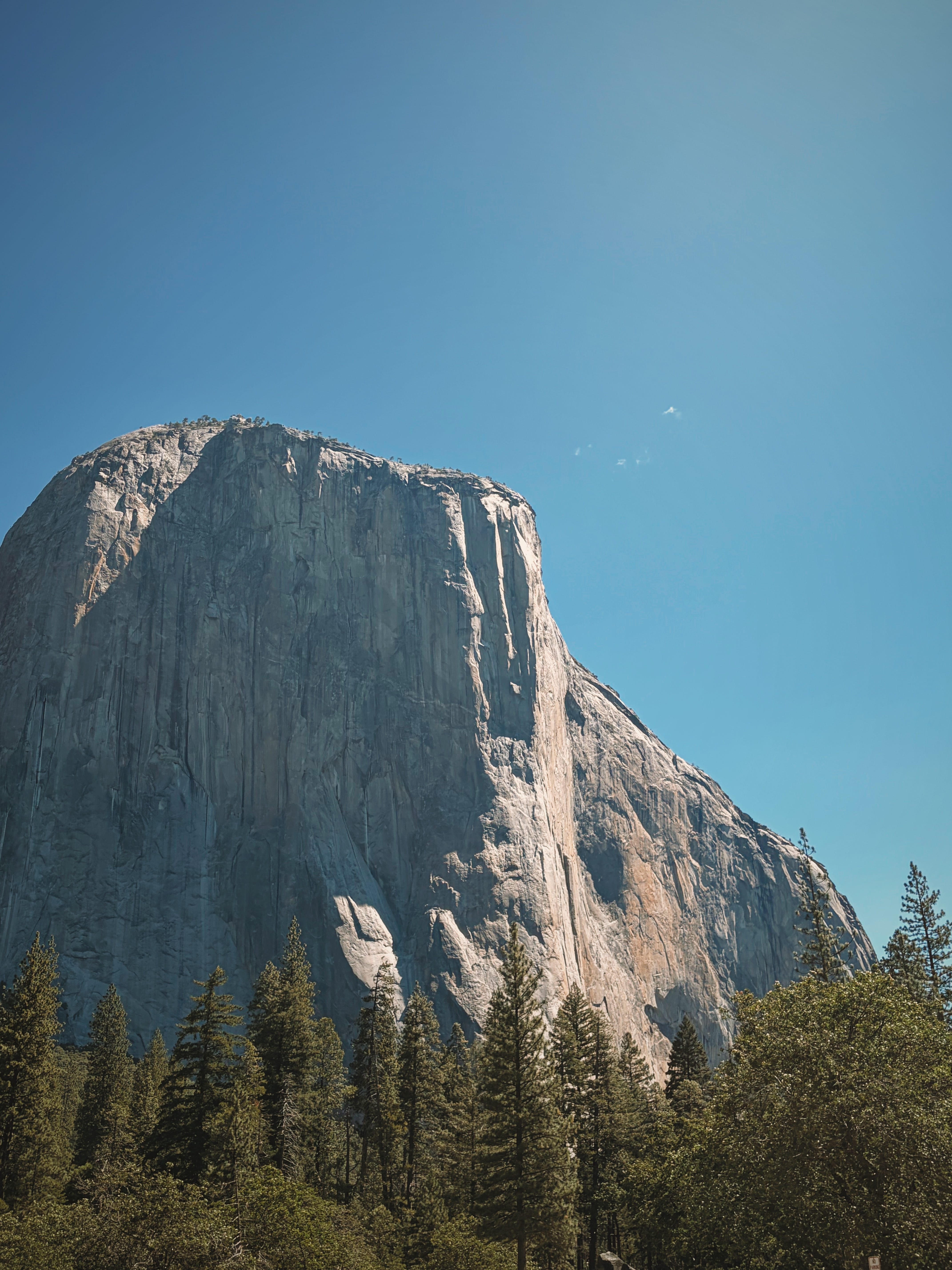
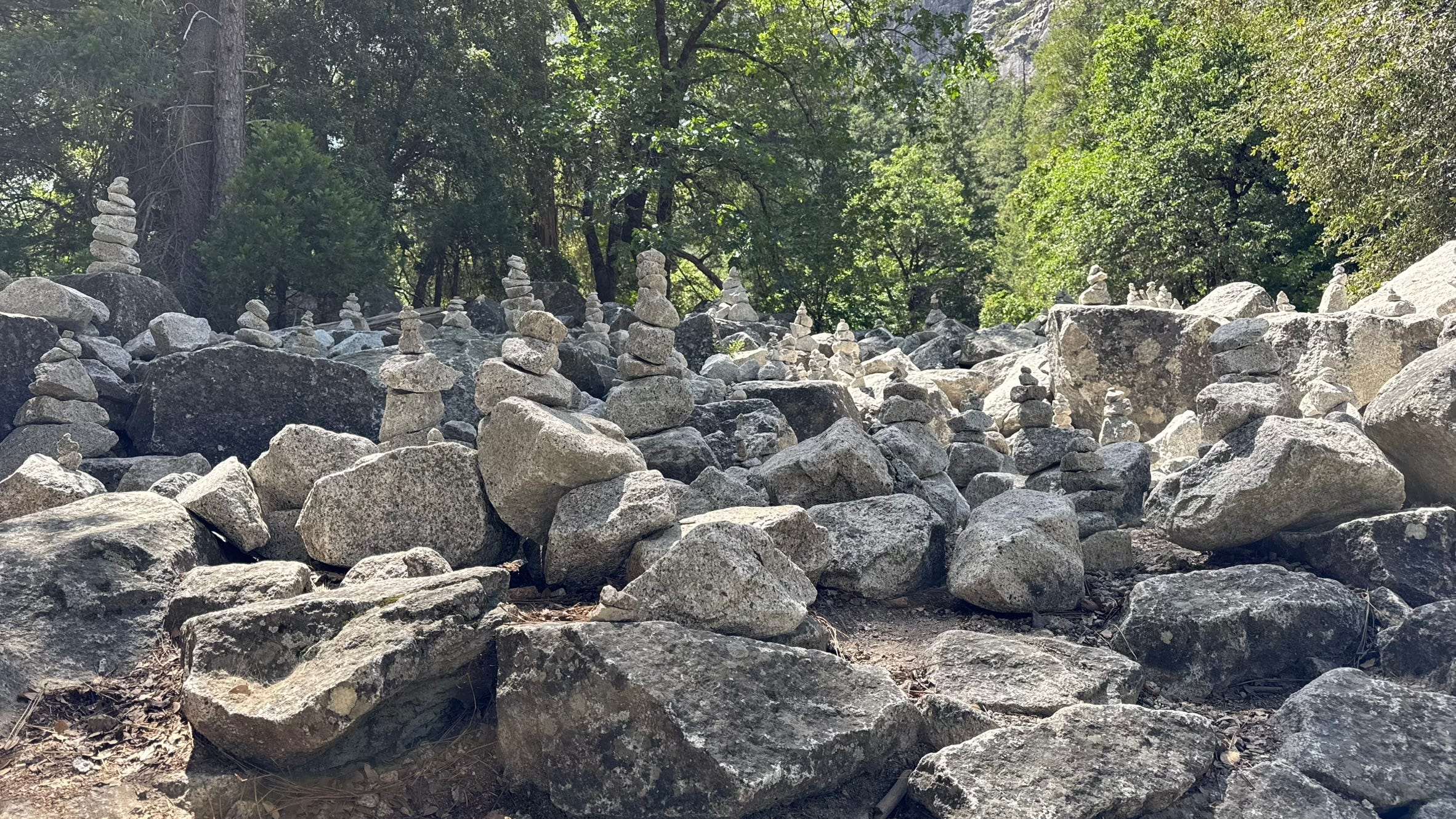
Not so great on a downhill (11% grade) when parked facing down—the restart attempt fails since the fuel injection cannot work and then the determined start button drains the battery. Long story short: I now know how to manually put this car into neutral for it to coast to level ground. The Yosemite West management quickly dispatched a worker to jumpstart me.